Soft, one-tap pong built for short mobile play sessions
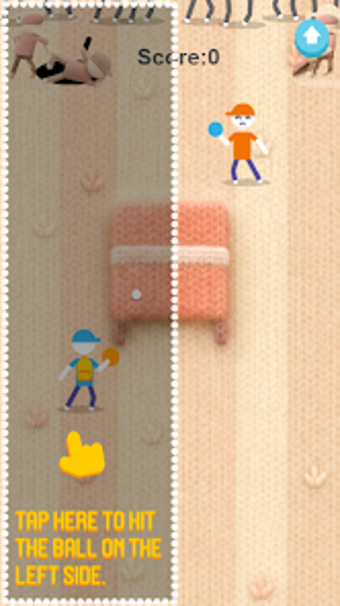
Stick Pong: Challenge, from IMRAN ASSOCIATES, is a relaxing wool-style casual sports game that reimagines classic pong for mobile, designed for short sessions. The app places the player in fast score-based matches where timing and reaction are the main tests, controlled with a single tap gesture. It pairs a knitted-wool visual theme with a low-performance footprint and simple inputs, aimed at casual mobile gamers who want low-stress, spare-time competition.
What kind of game is Stick Pong?
In this game, matches center on rapid exchanges where timing and reflexes decide outcomes. The core loop reduces play to a single, repeatable contest: send the ball, score by hitting the opponent, then start a new round. Rounds conclude quickly and reward incremental score improvement, so sessions emphasize short bursts of challenge rather than long progression systems or layered objectives.
Does it have a multiplayer mode?
Within sessions, competition is directed at a CPU opponent through a real-time score mode; there is no networked player-versus-player option. That design choice prioritizes quick solo runs and high-score chasing over persistent online ladders. The match flow encourages repeated attempts rather than long-term competitive structures, which suits solo practice but limits players who expect head-to-head online play.
What does the game look and sound like?
Here, the visual identity adopts a knitted wool motif to create a warm, soft aesthetic. Interface elements remain minimal and large to suit short-session interaction, and the mood emphasizes a relaxed presentation instead of flashy effects. The handcrafted styling is the primary method the app uses to set tone and distinguish itself from standard arcade visuals.
Is it hard to get started?
During initial play, input complexity is minimal, which lowers the learning curve for younger players and casual audiences. Progression is score-driven, so advancement depends on improving timing and tallying higher points rather than unlocking mechanics. That keeps early sessions accessible, though it offers fewer long-term hooks for players who prefer evolving systems to maintain engagement.
Best for quick reflex practice; less suited to long-term competitive play
The app suits players seeking short, repeatable matches that exercise timing and reaction without setup. However, its pared-down approach offers limited incentives for extended play or persistent multiplayer competition, so it is a stronger choice for casual, time-limited sessions than for players pursuing deep, ongoing competitive goals.